How Soon Can You Eat After Dental Bonding?


If you have just had dental bonding, the short answer is reassuring: in many cases, you can eat fairly soon after the appointment. The longer answer depends on where the bonding was placed, how much reshaping your dentist did, whether your bite feels normal, and what you plan to eat.
That distinction matters. I have seen patients leave a bonding visit feeling great, grab a crusty sandwich or a hot coffee on the way home, and then call back because the tooth felt strange, sensitive, or rough. The bonding itself usually hardens quickly under the curing light, but your mouth may still need a little time to settle. Numbness, minor irritation, and a newly adjusted bite can all affect what is safe and comfortable in those first few hours.
For most people, a cautious rule works well: if the numbness has worn off and the bonded tooth feels normal when you gently bring your teeth together, you can usually eat soft foods soon after treatment. It is wise to avoid very hard, sticky, or heavily staining foods for at least the first 24 to 48 hours, especially if the bonding is on a front tooth or the repair was cosmetic as much as functional.
Why the answer is not always the same
Dental bonding is a broad term. Sometimes it means a tiny chip on a front tooth was repaired with tooth-colored composite. Sometimes it means closing a gap, reshaping an edge, covering a discolored spot, or protecting a worn area near the gumline. Each version changes the aftercare slightly.
Composite resin hardens rapidly when cured, so the material itself does not usually require a waiting period in the way some older dental materials once did. That is why many dentists tell patients they can resume normal eating once the anesthetic wears off. Even so, "normal" deserves some interpretation. A bonded edge on an upper front tooth is more vulnerable to biting stress than a small bonded area near the gumline on a premolar. A patient who tends to clench at night faces different risks than someone with a relaxed bite. A person drinking black tea twice a day needs different advice than someone who mainly drinks water.
That is the practical side of Dental Bonding. The chemistry may be straightforward, but the real-world result depends on habits, tooth position, and the forces your teeth handle every day.
The typical timeline for eating
In an uncomplicated case, many patients can eat soft foods as soon as the numbness fades. That may be within one to three hours if local anesthetic was used, or immediately after the appointment if no anesthetic was needed. The main reason to wait is not because the bonding is still wet or unset. It is because numb lips, cheeks, and tongue make it easy to bite yourself without realizing it.
If your dentist did not numb the area, and the bonded tooth feels smooth and your bite feels even, eating something soft shortly after the visit is often fine. Yogurt, scrambled eggs, pasta, oatmeal, rice, soup that is warm rather than very hot, or a soft sandwich are common first meals.
The first full day is where judgment matters. Composite bonding is durable, but it is not indestructible. Biting directly into a hard apple with a freshly bonded front tooth is not the same as chewing a soft meal on the back teeth. Caramel, peanut brittle, ice, and crusty baguettes put a very different kind of stress on new bonding than softer foods do. Most dentists prefer a little caution for the first 24 hours, not because the material cannot function, but because small adjustments in comfort and bite often become obvious only after you start using the tooth.
What most dentists mean when they say “you can eat right away”
Patients often hear that phrase and assume there are no restrictions. Usually, the dentist means the bonded material is fully cured and stable. It does not mean every food is a good idea immediately.
There are three practical filters to apply before you eat. First, are you still numb? If yes, wait. Second, does your bite feel normal when you close your teeth gently? If the bonded area hits first or feels bulky, avoid chewing on it and call the office if the feeling persists. Third, is the food hard, sticky, or likely to stain? If yes, it is better to hold off for a bit.
That middle point about bite deserves special attention. A tiny high spot on a bonded tooth can feel like a major issue once you start chewing. I have heard patients describe it as "the tooth feels taller," "my teeth no longer fit together," or "I keep bumping that one spot." Those descriptions are common and worth taking seriously. Bonding that is even slightly proud of the surrounding tooth structure can chip sooner and may make the tooth sore. A quick polishing adjustment often solves it.
The first foods that usually make sense
When in doubt, start gentle. Soft foods reduce pressure on the restoration and give you a chance to notice sensitivity or bite changes before testing the tooth with something demanding. The goal is not to baby the tooth forever. It is simply to ease back into normal use.
Here are foods that are usually well tolerated soon after bonding:
- yogurt, cottage cheese, or smoothies with no hard add-ins
- scrambled eggs, soft pasta, rice, or oatmeal
- mashed potatoes, soft cooked vegetables, or tender fish
- soup or stew that is warm rather than very hot
- bananas, applesauce, or other soft fruits
Most patients do well with these choices, especially on the same day as treatment. If the bonding is on a front tooth, try to avoid biting directly into even soft foods at first. Cutting food into pieces and chewing with the back teeth is a small adjustment that can prevent a lot of unnecessary stress.
Foods and habits worth avoiding for a day or two
Composite resin can pick up stains over time, especially in the first 24 to 48 hours when the polished surface is still settling into routine use and your mouth may be a bit more sensitive. It can also chip if you test it too aggressively right away.
For a short period, be cautious with the following:
- very hard foods such as nuts, hard candies, ice, and crusty bread
- sticky foods like caramel, taffy, and very chewy candy
- strongly staining items such as coffee, red wine, tea, curry, and tobacco
- biting directly into firm foods with front teeth, including apples and bagels
- habits like nail biting, pen chewing, or opening packages with your teeth
Those last habits matter more than people think. In practice, accidental damage to Dental Bonding often comes less from meals and more from unconscious behavior. A patient may be meticulous at dinner, then crack a sunflower seed shell with the bonded tooth later that evening.
If your bonding is on a front tooth, be extra careful
Front teeth do not just chew. They shear, guide, and absorb sudden contact when you bite into food. Bonding on the edge of a front tooth, especially after repairing a chip, tends to be more delicate than bonding on a smooth side surface.
That does not mean front-tooth bonding is fragile in general. Well-done bonding can last years. But the first couple of days are not the time to challenge it with pizza crust, jerky, or a whole pear. Cut food into smaller pieces and use your back teeth for chewing whenever possible. Even something as innocent as tearing open a packet with your teeth can put a sharp, twisting force right at the bonded margin.
People who grind or clench should be particularly mindful. If you already know you have a heavy bite, tell your dentist before the bonding is placed if you have not already discussed it. In some cases, especially when larger cosmetic bonding is done on front teeth, a night guard may help protect the work over time.
Sensitivity, pressure, and the difference between normal and not normal
A little sensitivity after bonding is not unusual. Teeth that were reshaped, etched, dried, and polished can feel slightly reactive for a day or two, especially with cold drinks or air. Mild awareness when chewing can also happen if you are paying close attention to a tooth that just had work done.
There is, however, a clear line between mild post-treatment awareness and a problem. If you feel a sharp pinch every time you bite down, or if the tooth feels like it is taking all the pressure before the others meet, that is not something to ignore. Bonding should feel integrated with your bite, not like an obstacle.
One patient once described a new bonded edge as "a tiny speed bump every time I close my mouth." That phrasing is accurate and helpful. When patients say that, the fix is often simple. A short adjustment visit can smooth the area, reduce the contact, and make the tooth feel natural again. Waiting weeks in the hope that it will "wear in" is rarely the best plan.
Hot drinks, cold drinks, and staining concerns
Temperature is a comfort issue more than a structural one. Warm coffee will not melt bonded resin, and cold water will not damage it. The issue is that freshly treated teeth can be temporarily temperature-sensitive, and very hot beverages can be uncomfortable if the tooth or gums are a bit irritated.
Staining is a separate matter. Composite resin does not whiten the same way natural enamel can with bleaching products, and it can absorb pigments over time. That is why dentists often advise limiting coffee, red wine, cola, dark berries, tomato-heavy sauces, and tobacco for at least the first day or two after cosmetic bonding. If the bonded area is visible when you smile, the effect of early staining is more noticeable.
If skipping coffee entirely is unrealistic, a practical compromise helps. Let it cool slightly, drink water afterward, and avoid lingering sips over a long period. That kind of moderation protects both the appearance of the bonding and your comfort.
What if you had bonding and contouring in the same visit?
Sometimes bonding is paired with contouring, polishing, or minor reshaping of neighboring teeth so the final result looks balanced. When that happens, eating can feel a little odd even if the bonded area itself is fine. The edges may be smoother, your bite may land differently than it did before, and your tongue may keep revisiting the area.
That strange awareness usually fades quickly. The mouth is sensitive to tiny changes. A restoration only fractions of a millimeter different from what was there before can feel dramatic for a day or two. Still, do not dismiss persistent discomfort. If food keeps catching, floss shreds, or your bite feels uneven after a day or so, have it checked.
Children, teens, and athletes need slightly different advice
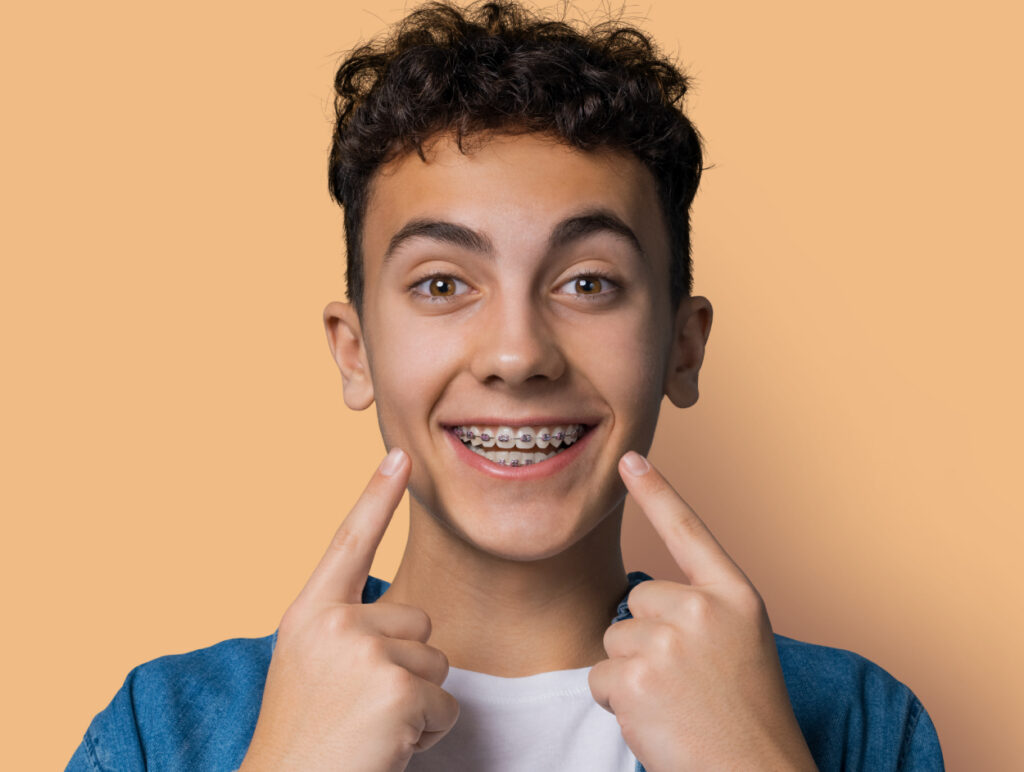
A child with a chipped front tooth repaired after a playground tumble is not always the easiest patient to keep on soft foods. Teenagers with bonding after braces or cosmetic reshaping often want to test the result quickly, usually with exactly the foods you would rather they avoid. In these cases, the aftercare conversation needs to be direct and specific.
Athletes deserve special mention. If the bonding repaired trauma or was placed on a front tooth in someone who plays contact sports, a mouthguard is a smart safeguard. A surprisingly high number of bonding failures come from repeat bumps, elbows, or falls rather than normal chewing.
How long does bonding last if you care for it well?
Patients asking when they can eat are often really asking a broader question: how do I avoid ruining this? Fair question. Dental bonding can last several years, but lifespan varies widely. Small cosmetic repairs may need touch-ups sooner if they are on the biting edge of a front tooth. Bonding near the gumline may last longer because it sees less direct force, though it can still wear or stain.
Good brushing, daily flossing, regular cleanings, and avoiding destructive habits all extend its life. So does treating the bonded tooth like a tooth, not a tool. I cannot count how many repairs have been triggered by bottle caps, fingernails, pens, or torn plastic packaging.
When you should call your dentist
Most aftercare questions can wait until the next business day. A few should not. Reach out if the bonding chips, feels loose, or catches sharply on your tongue. Call if your bite feels off and it is not settling, or if the tooth is suddenly painful with pressure. Cosmetic concerns matter too. If the shape looks wrong, the surface feels rough, or the color seems mismatched once you are home in normal lighting, it is reasonable to ask for a review.
Watch for these signs that the tooth needs attention:
- the bonded area feels high when you bite or chew
- a visible edge, crack, or chip appears
- floss repeatedly snags or shreds around the restoration
- sensitivity is worsening rather than easing after a day or two
- the color or shape looks noticeably different than expected
Prompt adjustments are usually simple. Waiting can turn a minor polish into a bigger repair.
The practical answer most people need
So, how soon can you eat after dental bonding? For many patients, the safest real-world answer is this: once the numbness has fully worn off, you can usually eat soft foods the same day. If the tooth feels comfortable and your bite feels normal, that is a good sign. For the next 24 to 48 hours, be selective. Skip foods that are hard, sticky, or deeply staining, and avoid biting directly into firm foods with newly bonded front teeth.
That short period of caution pays off. It gives you time to notice whether the bite needs a minor adjustment, reduces the chance https://www.google.com/maps?cid=4239261703967231664 of accidental chipping, and helps preserve the appearance of the restoration. After that, most people settle back into normal eating with only a few commonsense habits to protect the bonding long term.
Dental Bonding is one of the most conservative and useful tools in cosmetic and restorative dentistry. It can repair a chip, reshape a tooth, close a small gap, and improve a smile in a single visit. The aftercare is usually simple, but "simple" is not the same as careless. Eat once the numbness is gone, start gently, and let comfort guide the pace. If anything feels off, have it checked early. That approach keeps a small fix from becoming a repeat appointment.
Toothworks of Bakersfield, Dentist and Orthodontist
Address: 1030 H St #1, Bakersfield, CA 93304
Phone number: +16613239421
FAQ About Dental Bonding
How long does dental bonding last?
Dental bonding typically lasts between 3 and 10 years (averaging about 5 to 8 years) before it needs a touch-up or replacement. Its lifespan depends heavily on your daily habits, where the bonding is placed in your mouth, and how well you care for your teeth.
How expensive is bonding a tooth?
Dental bonding typically costs between $100 and $600 per tooth, with a national average of about $431 per tooth.
What are the downsides of dental bonding?
Dental bonding has several drawbacks, including lower durability, a shorter lifespan, and a tendency to stain compared to alternatives like porcelain veneers.